Your Bones Are Changing, Too: Protecting Bone Density in Perimenopause and Menopause
When people think about perimenopause and menopause, hot flashes, sleep changes, and irregular periods usually get most of the attention. But one of the most important changes is happening quietly: bone remodeling begins to shift.
Estrogen helps keep the normal cycle of bone breakdown and rebuilding in balance. As estrogen becomes more erratic and then falls, bone breakdown can begin to outpace bone formation. Over time, that can lower bone mineral density and increase fracture risk.
The good news is that bone health is not something you have to wait until your 60s to think about. Your 40s and 50s are an ideal time to understand your risk and build habits that protect both bone and muscle for the decades ahead.
Osteopenia, osteoporosis, and fracture risk are related but not identical
A DEXA or DXA scan measures bone mineral density. In postmenopausal women, the result is often reported as a T-score. Osteopenia means bone density is lower than expected but has not reached the threshold used to diagnose osteoporosis. Osteoporosis means bone strength is low enough that fracture risk is substantially increased.
But bone density is only part of the story.
Age, prior fractures, family history, smoking, alcohol use, certain medications, body weight, and medical conditions can all affect fracture risk. That is why a clinician may use both a DXA scan and a fracture-risk tool rather than relying on one number alone.
When should you have a bone density test?
Current U.S. preventive guidance recommends osteoporosis screening for women age 65 and older. Postmenopausal women younger than 65 may also benefit from screening when they have risk factors that place them at increased fracture risk.
Reasons to talk with your doctor earlier include a previous low-trauma fracture, very low body weight, a parent who fractured a hip, smoking, heavier alcohol use, long-term steroid medication, premature menopause, or a health condition that can affect bone.
A DXA scan is not automatically necessary for every healthy woman the moment perimenopause begins, but perimenopause is a good time to review your risk rather than waiting until a fracture occurs.
Strength training is one of the best investments you can make
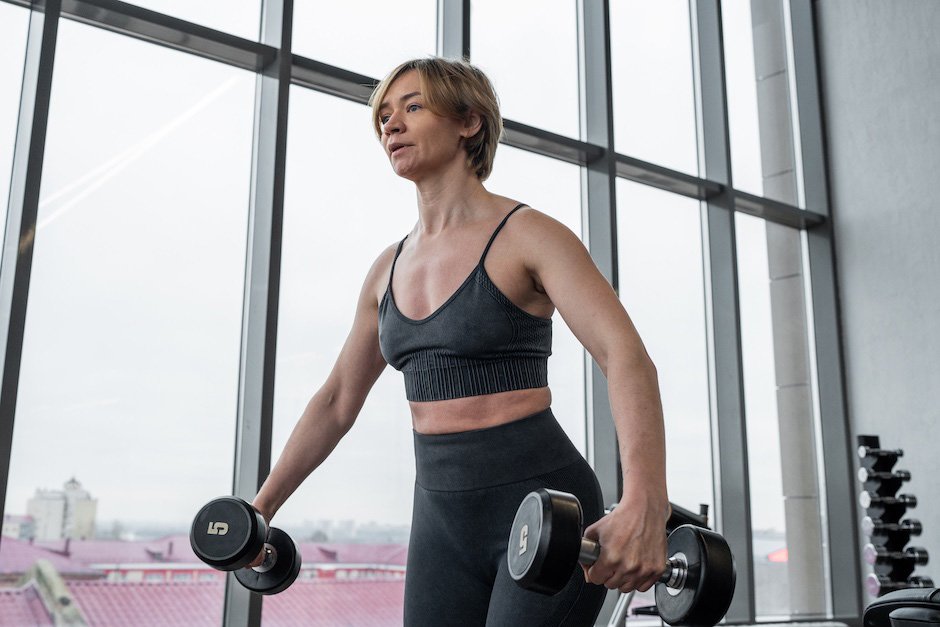
Bones respond to mechanical load. Resistance training and weight-bearing activity give your skeleton a reason to maintain strength, while also preserving the muscle that protects you from falls and helps you remain independent.
Walking is excellent for cardiovascular health and general activity, but a complete bone-health plan usually includes some form of progressive resistance exercise as well. Depending on your fitness level and fracture risk, that might include weights, resistance machines, body-weight exercises, or supervised higher-impact activity.
I tell my patients to safely add in some high-impact activities such as jumping off the last step or some jumping jacks. Balance training also becomes increasingly important with age because preventing a fall can be just as important as improving bone density, so stand on one foot when you’re waiting, putting on pants, and standing in line at the grocery store.
Bone health needs protein and minerals, not just calcium
Calcium matters, but bone is not made of calcium alone. Adequate protein supports the collagen framework of bone and helps preserve muscle. Vitamin D helps the body absorb calcium and is especially important when a person is deficient.
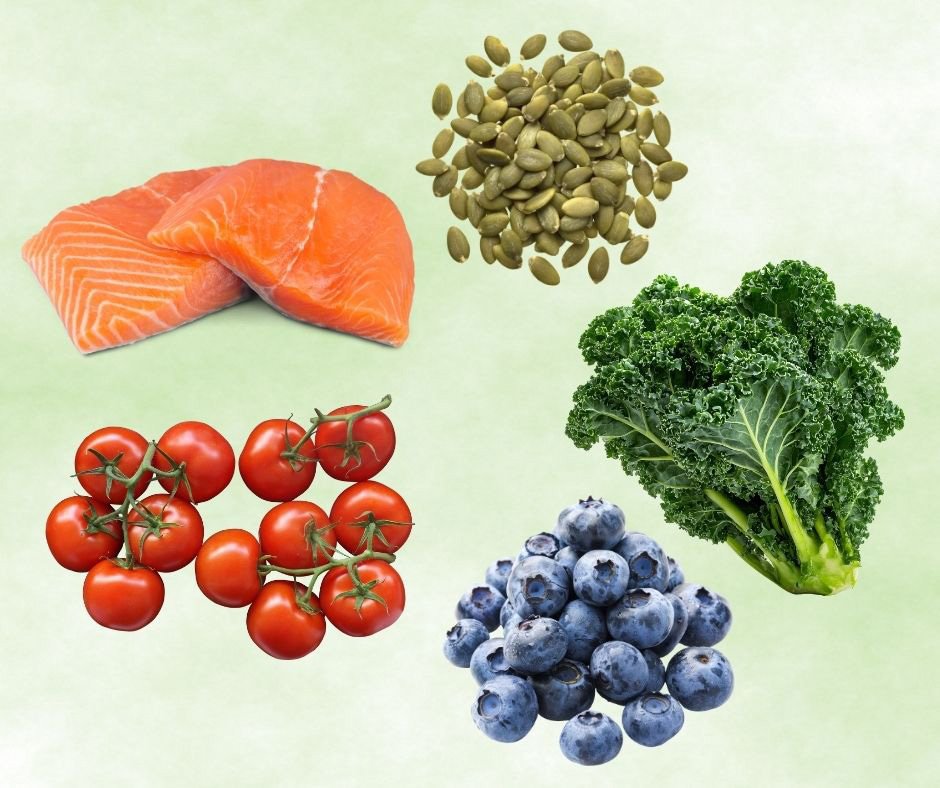
A food-first approach can include dairy products, calcium-fortified foods, canned fish with bones, tofu made with calcium, leafy greens, nuts, seeds, beans, and protein-rich meals throughout the day.
Supplements can be useful when diet or lab testing suggests a need, but “more” is not automatically better. Calcium, vitamin D, magnesium, and other supplements should be individualized based on diet, health history, medications, kidney function, and laboratory findings so talk to your naturopathic doctor for recommendations.
Where does hormone therapy fit?
Menopausal hormone therapy (HRT) can prevent bone loss and reduce fracture risk while it is being used, and bone health can be one factor in deciding whether hormone therapy makes sense for an individual woman.
But HRT is not a one-size-fits-all osteoporosis treatment.
The decision should consider age, time since menopause, severity of menopausal symptoms, personal and family history, and other health risks. Women who have had a hysterectomy or early loss of ovarian function may have different considerations and should discuss those with a clinician familiar with menopause care.
A practical bone health checklist
If you are in your 40s or 50s, start by asking:
- Am I doing resistance exercise at least a few times each week?
- Am I eating enough protein?
- Do I regularly get calcium-rich foods?
- Is my vitamin D adequate?
- Do I smoke?
- Am I drinking more alcohol than is healthy for me?
- Have I taken medications or had medical conditions that increase bone loss?
- Have I ever had a fracture from a fall that should not normally break a bone?
These questions often reveal more useful next steps than simply buying a “bone health” supplement.
The goal is stronger bones and a stronger body
Protecting bone density is ultimately about maintaining strength, mobility, and independence. The earlier you begin, the more options you have.
A personalized plan can combine exercise, nutrition, targeted testing, treatment of underlying conditions, and when appropriate hormone or osteoporosis medication. Menopause changes bone biology, but it does not mean bone loss is inevitable or that you are powerless to influence your future fracture risk.
Follow us on Instagram to learn more from our team.

Dr. Jennifer Potter, ND
Naturopathic Doctor San Jose
408-356-1364