Meet Vicky
When I first met Vicky, she had already been through a series of treatments for her breast cancer. She started with a mastectomy, then needed radiation and chemotherapy because cancer had been found in the lymph nodes near the affected breast tissue. She was now on anti-hormone therapy to reduce her risk of recurrence.
Vicky was a fighter, and it was amazing to see how she navigated the side effects of her treatments. She told me she was relieved that the worst had passed and that she was now in remission, but she was also scared. Knowing how hard the journey had been, she never wanted to go through it again.
As the mother of a 3-year-old and a 7-year-old, she still had a long way to go. She wanted to see her kids grow up, take them to sports practice, attend their graduations, watch them marry, and one day become a grandmother.
Healing After Cancer Treatment
When I work with patients who have finished cancer treatment, we focus on both the physical and the emotional sides of recovery.
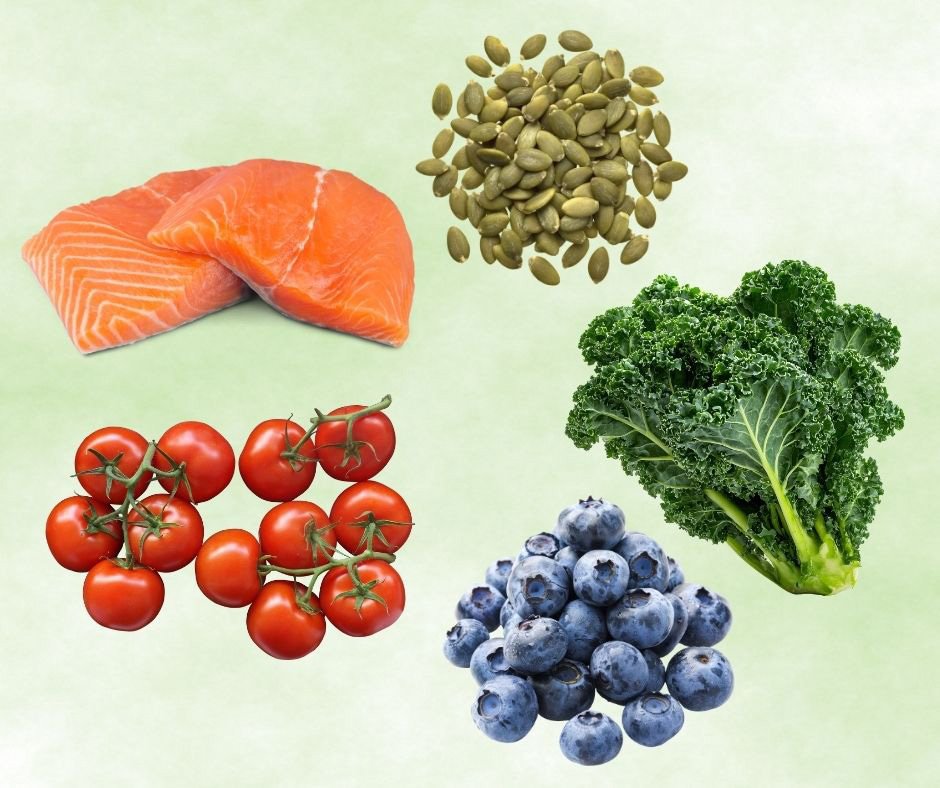
For the body, the first three months are about restoring and rebuilding. The most important nutrients during this phase are protein, basic vitamins, and antioxidants.
Protein
Protein is digested into amino acids, the basic building blocks for tissue repair.
This matters because inflammation of the gastrointestinal (GI) tract is a common side effect of most chemotherapy drugs. Adequate daily protein helps repair the GI lining, supports digestion and nutrient absorption, and promotes healing throughout the rest of the body.
Vitamins, Minerals, Antioxidants
The basic vitamins and minerals are vitamins A, C, E, and B complex, plus iron and zinc.
- Vitamins A, C, and E, along with zinc, are key nutrients for tissue healing
- Iron is essential for making blood
- B vitamins support a wide range of chemical pathways, from energy production to detoxification.
Antioxidants help combat the inflammation and oxidative stress created during cancer treatment.
Detoxification After Cancer Treatment
Many cancer patients seek out a detoxification protocol after treatment, based on the traditional idea that detoxification removes toxins from the body.
However, the body eliminates most drugs and their metabolites within a few days of administration. When patients continue to experience side effects, it is not because toxins are stored in the body; it is the result of damage done by the treatment.
Therefore, after cancer treatment, detoxification is better viewed as relieving the body’s burden and supporting its own ability to eliminate waste. This is part of the restore-and-rebuild process, and it should be done primarily through diet and lifestyle rather than relying solely on nutraceutical supplements.
Emotional Side of Life After Cancer
Whatever the approach, the plan should be individualized to the patient’s health status and the type of treatment received. Some patients can begin immediately after treatment with a phased approach, while others need to wait four weeks to give the body time to recover from the side effects.
In my opinion, the emotional side of the post-treatment journey is even more important.
Some patients carry a great deal of guilt because they have stopped going to their support groups. They are done talking and thinking about cancer. They want to move on, yet they feel bad about no longer supporting other survivors. Others carry fear: the fear of “what if.” What if the cancer comes back?
Post-treatment is the time to transition from surviving to thriving, from a victim of cancer to a victor of life. One often-overlooked factor in recurrence risk is emotional well-being. The emotional baggage we carry, whether childhood trauma, fear of being laid off, or a resentful marriage, can become toxic over time. These chronic stresses can eventually lead to chronic inflammation, hormonal dysregulation, and nervous system dysfunction.
A cancer diagnosis is a crisis, but a crisis can also redirect your life. It is an opportunity to slow down and reflect on what is meaningful to you, to forgive and let go of the feelings that hold you captive, and to cultivate the joy and love you may have lost growing up. It is a second chance to live your life abundantly.
As your doctor, I am committed to helping you along this journey, and I am honored to do so. If you have additional questions or would like to learn how I help cancer patients, please reach out to the clinic to schedule a complimentary 10-minute consultation.
Follow us on Instagram to learn more from our team.

Dr. Sherry Su, ND, FABNG
Naturopathic Doctor San Jose
408-356-1364
Dr. Sherry Su is a licensed naturopathic doctor specializing in gastrointestinal disorders, women’s health, thyroid and adrenal imbalances, and anxiety. She earned her degree from Bastyr University and holds the prestigious FABNG certification for advanced expertise in evidence-based naturopathic gastrointestinal care. With a compassionate, integrative approach, Dr. Su uses minimally invasive therapies to help patients reclaim their health and well-being. She is passionate about empowering patients with sustainable lifestyle changes and personalized care.
Sign up for a free 10-minute consultation here.